
Blog
Dr. Veejay Deshpandey- A Pioneer in the Field of Dentistry
Dr. Veejay Deshpandey is a
Consultant Dental Surgeon & Implantologist
B.D.S. (BOM), D.U.(LILLE II-FRANCE)
FAAID (USA), DICOI (USA), FMII (USA)
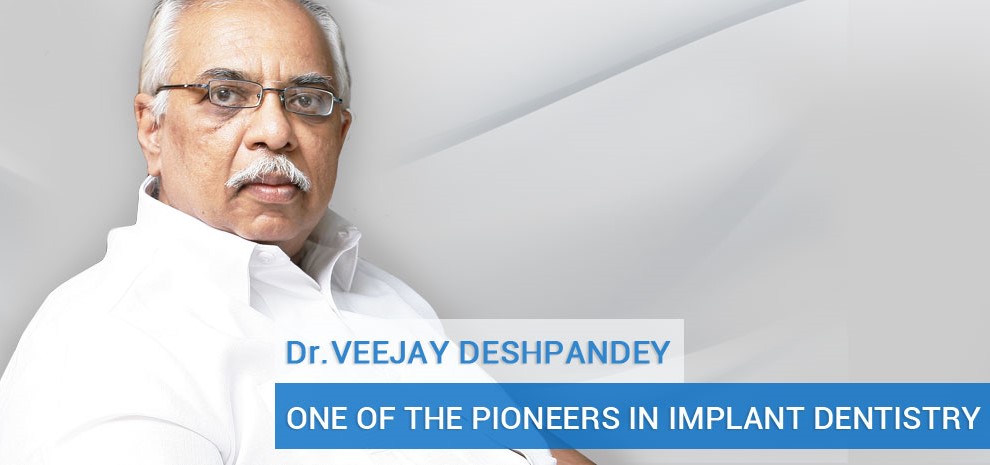
Dr. Veejay Deshpandey is a Consulting Dental Surgeon and Implantologist practicing in Thane/Mumbai, India for last 40 years. He was Consultant Implantologist practising in Muscat for more than 8 years. After completing his Bachelor of Dental Surgery from Mumbai University, he completed his Post Doctorate in Oral Implantology – D.U. (Oral Implantology) from Lille University in France. He has been awarded Fellowship of American Academy of Implant Dentistry in the USA. He is the 1st Dentist practising in India to have this honour. He was felicitated by the then Governor of Maharashtra Mr. P.C.Alexander for this feat.
He was credited by several reputable postgraduate certificates like
>’Current concepts in American Dentistry’ NYU, USA
>’Esthetic Dentistry’ Baylor University, Texas, USA
>’Diploma In Aesthetic Dentistry’ Coltene, AG, Switzerland
>’Aesthetic Dentistry & Product Training Course’, ESPE, Germany
>’Product Training Ivoclar’, Vivadent, Liechtenstein
Dr. Deshpandey has also undergone expansive and advanced Implant Training:
>Misch Implant Institute & University of Pittsburgh – USA
>FRIALIT II and IMZ implant systems – Holland & Germany Weiss dental implant systems – USA
>Branemark implant systems training at Branemark
>Center for Osseointegration, Noble Biocare & Hospital – Sweden
>Branemark Implant Systems at Institute of Facial Aesthetics for Washington, USA
>Branemark Implant Systems training at Branemark
Osseointegration Centre – Tokyo – Japan
Dr. Veejay Deshpandey is affiliated to following Institutions:
INDIAN INSTITUTE OF IMPLANT DENTISTRY
AMERICAN ACADEMY OF IMPLANT DENTISTRY – USA
MISCH IMPLANT INSTITUTE – USA
INDIAN DENTAL ASSOCIATION

Creative Smiles dedicates itself to better serve its clients needs and continues to provide the highest level of care for them. Located in Thane, it is one of the leading dental health care centers. Visit us to know more- http://www.creativesmiles.in/
guiadenoivos.saojosedojardimeuropa.com.br
beyond.globalpranichealing.com

Clear Aligners
“Smile, it is the key that fits the lock of everybody’s heart.” –Anthony J. D’Angelo
Everybody wants to have a wide dazzling smile. But some beautiful smiles stay hidden because of the tooth being crooked or excessively gapped. These issues can be corrected by braces. Braces are wire-based devices which are used in orthodontics for misaligned teeth, to straighten and help position them according to a person’s bite. They are used for various purposes such as to correct crooked teeth, crowded teeth, the gap between teeth, bite problems, etc.
Orthodontics is the branch of dentistry that specializes in the diagnosis, prevention, and treatment of dental and facial irregularities. Some of these treatments include:
Metal Braces– Metal or traditional braces, according to one’s imagination are brackets and wires. But modern braces are less noticeable, quick and less painful than older ones. Therefore, it makes them more comfortable to use.
Clear Braces– They are worn just like the traditional metal braces and are of same size and shape. But they have clear brackets that blend with the color of the tooth, thus reducing its visibility.
Lingual Braces– Unlike traditional or clear braces, they are placed behind the teeth, making it great teeth straightening alternative without being visible.
Retainers– Mostly retainers are used in the last stage of the treatment when the braces are removed to hold teeth in position.
BRACES AND ADULTS
People of all age groups are benefitted from using braces. Braces can produce similar results for adults and kids for problems such as crowded /crooked teeth and misaligned teeth. But an adult has to wear them longer than a kid or teen. A younger person’s facial bones grow faster, making it easier to correct misaligned teeth faster.
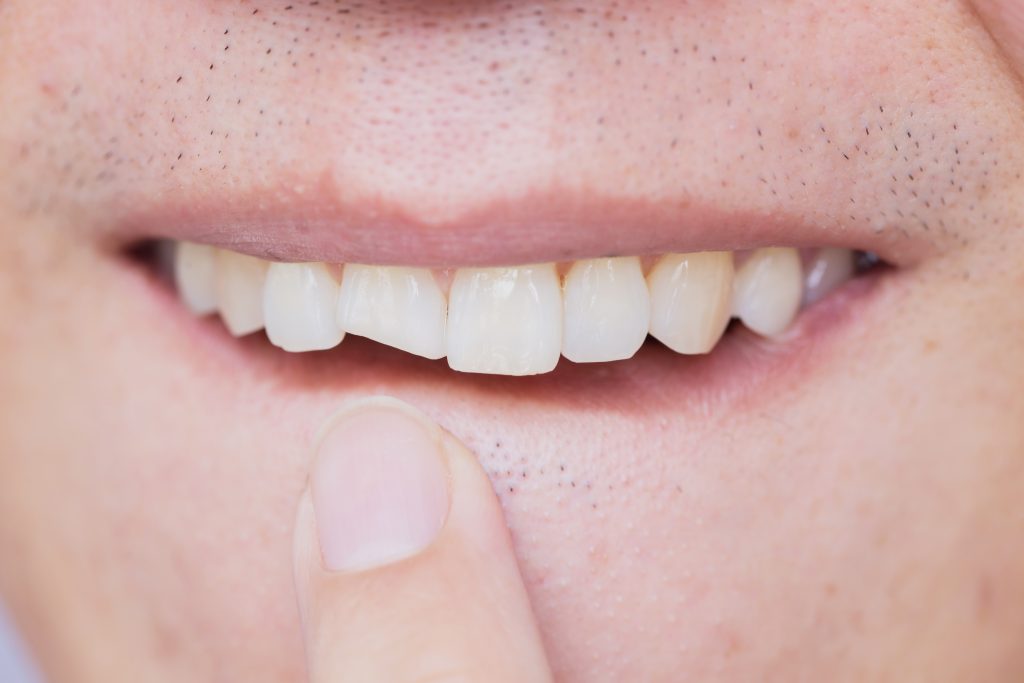
Clear Aligners
Clear aligners are an alternative to traditional braces and use gradual force to control tooth movement without metal wires or brackets. Made up of sturdy material, they are designed to fit every individual’s mouth. A Clear aligner is worn for straight two to three weeks before changing it.
With advent of latest technology clear aligners can correct most of the malalignments of teeth. Few of these conditions include :-
Bite problems such as overbite, underbite etc.
Widely gapped teeth
Cluttered teeth
Crooked teeth
Moreover, properly aligned teeth help to improve the teeth’s appearance, apart from solving speech, bite and chewing problems.
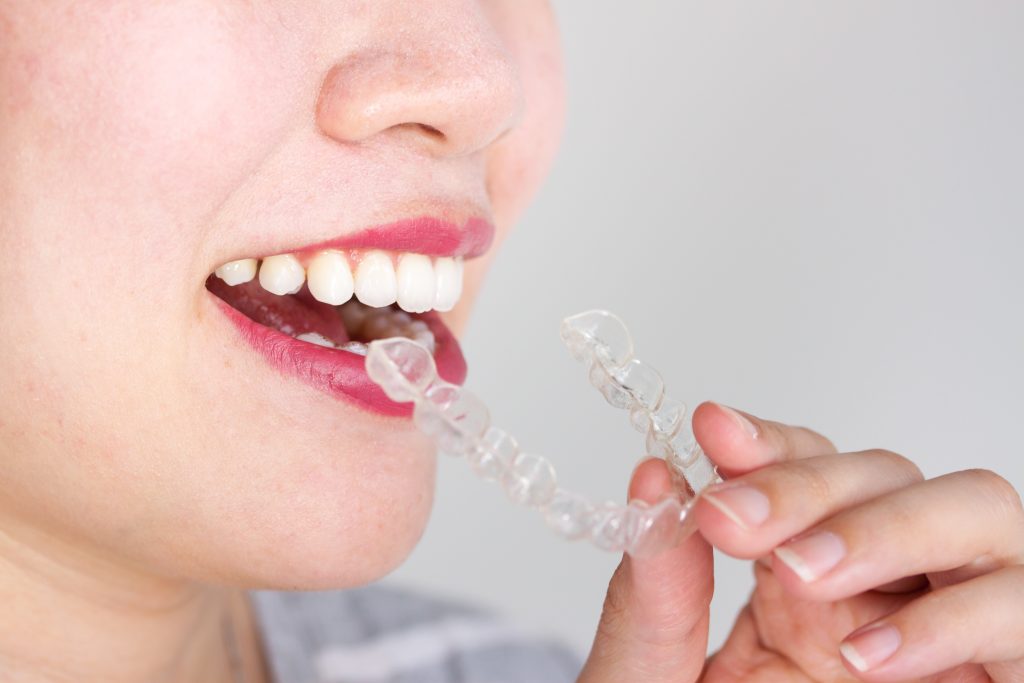
ADVANTAGES OF CLEAR ALIGNERS
Clear aligners are a great alternative for those who don’t prefer to wear traditional braces. It has many other advantages as well, such as:-
Clear aligners are removable, making it easier for one to eat, brush and floss.
They are more comfortable
They have a shorter treatment duration
They can be kept clean easily
They are less likely to irritate gums and cheeks
They are smooth and prevent the tooth from grinding
The result of its treatment is permanent when maintained with use of retainers.

How Much Time Do They take?
Duration to straighten the teeth is dependent upon how bite-off or crooked your teeth are. So on an average, the treatment takes place between 10 to 24 months, provided that one wears it for more than 20 hours every day.
More than just a joyous smile, Clear aligners helps to preserve your teeth in the long run. Stay informed and get the best treatment from renowned dentists at Creative Smiles.
Visit http://www.creativesmiles.in/ for any query or consultation.
guiadenoivos.saojosedojardimeuropa.com.br
beyond.globalpranichealing.com

The Basics of Dental Implantology
What is Implantology?
There are two main constituents of a natural tooth, i.e., the root and the Crown. The crown is the uppermost part of the tooth and is normally visible. Its shape determines the tooth’s function. The root, which makes up about two-thirds of the tooth, is situated below the gumline, embedded in the bone of the jaw.
Implantology is the branch of dentistry dedicated to dental implants. It is concerned with the man-made replacement of missing natural teeth and supporting structure with artificial prosthesis anchored to the jawbone. It is often done with the titanium screw. It allows a person to return to non-removable teeth or a more secure dental restoration. In this process, the adjacent tooth remains intact.
A tooth loss can lead to psychological problems like low self-esteem and social impairment apart from functional problems, thus considerably affecting the quality of one’s life.
Like the most dental treatment procedures today, dental implants not only involve scientific discovery, research, and understanding, but also application in clinical practice. The practice of dental implant is as much about art and experience as it is about science as it requires expertise in planning, surgery and tooth restoration.
Reasons for Dental Implant

Dental Implants have made a mark in the field of dentistry in the past few years. Therefore, due to its high success rate almost every adult with missing teeth benefits from this procedure. They have multiple advantages, such as:
Restoring dental aesthetics by preserving the hard tissues of the tooth. In this process, layer by layer all possible internal particles is restored and formed naturally.
It restores dental function by helping those with speech problems due to missing teeth. Moreover, it includes those who are experiencing trouble in eating or chewing.
It is more convenient and comfortable as it doesn’t cause any unpleasant friction, grinding or movement on the gums, which usually happens in the case of removable prostheses i.e. partial or complete dentures.
The two main parts of an implant – the implant and the artificial crown do not get affected by tooth decay.
Implants give the impression of having natural teeth, both aesthetically and functionally. Therefore, patients regain their natural facial features and confidence that had been affected by the loss of several teeth.
Unlike dentures, Implants offer a better stability to artificial teeth, which eases chewing and digestion. Furthermore, the patients are not compelled to change their diet.
No adhesive (denture glue) is required to hold the implant-supported prosthesis in place, hence making them last for a lifetime.
About Creative Smiles
Situated in Thane, Creative Smiles opts for the combination of best technology with well-trained dentists and compassionate staff, to give you the beautiful smile you have ever dreamt of! We use all kinds of Implant systems such as Nobel Biocare, Branemark Systems and Osstem Implant system.
Dr. Veejay Deshpandey, at Creative Smiles, has been one of the first extensively trained doctors to introduce dental implants in India. Trained in Advanced Maxillo-mandibular reconstructive Implantology with a post-doctorate qualification from D.U, Lille2, France, his expertise lies in treating the most complicated cases of all types.
guiadenoivos.saojosedojardimeuropa.com.br
beyond.globalpranichealing.com

What is Dental Tourism?

Tourism is a temporary or short-term movement of people, for all reasons and purposes outside the places where they normally live and work. But have you ever wondered what dental tourism is? Well, it is a part of medical tourism and involves tourists travelling to different parts of the world to seek dental care. Usually, individuals travel outside their local healthcare system for low-cost dental care in countries like Malaysia, Thailand, Costa Rica, India, etc.
India has become a favored destination for its exclusive qualities such as:-

- India, being a developing country, provides with quality and cheaper dental treatment, whereas, in developed countries such as the United States and Europe, treatment costs are more exorbitant.
- There are no communication barriers, as Indian nursing staff and doctors are fluent in English
- Medical tourism companies take the entire responsibility of query, consultation, coordination and execution of the trip effectively and efficiently.
Therefore, thanks to the brainwave behind dental tourism as high-quality dental treatment clubbed with fun-filled vacations at highly slashed prices is possible in India!
Apart from having an advanced infrastructure, technology, and economical treatment, the Indian subcontinent has become a preferred destination for its professional services by highly skilled dental surgeons at affordable prices.

With India gaining immense popularity for fulfilling impossible dreams and gifting dazzling smiles to people across the world, Creative Smiles Dental Solutions is proudly contributing to this magical experience of a wish-realization process!
Located in the city of dreams and hub of dental treatment in India, it contributes to its world-class services at a fraction of the cost you would pay anywhere and matches with the best of international standards.
Things to know about Creative Smiles Dental Solutions:
- We are ISO certified and one of our centers is NABH accredited
- Technological up to the mark with the use of CAD-CAM, lasers and internationally standardized implant systems.
- Well trained and compassionate staff
- Over 40 years of experience in the field of dentistry and a home to highly reputed doctors
- Extreme care in sterilization for infection control
- We have state of art technology aiding in single visit dental solutions
- A painless procedure with quick recovery which doesn’t hamper your vacations!
How to Get in Touch?
- Contact us over the phone
- You can send us an e-mail regarding your dental and medical history as a part of the preliminary screening process.
- You may have to scan photos of your smile and attach with the email if asked for.
After the initial communication, your procedure gets scheduled and depending upon that as well as the dentist. You may have to remain in the area for a set period of time after the procedure or return at the decided date to complete the procedure. Furthermore, we offer assistance with accommodation and travel reservation on request as and when needed through our preferred partners.
Visit us at:
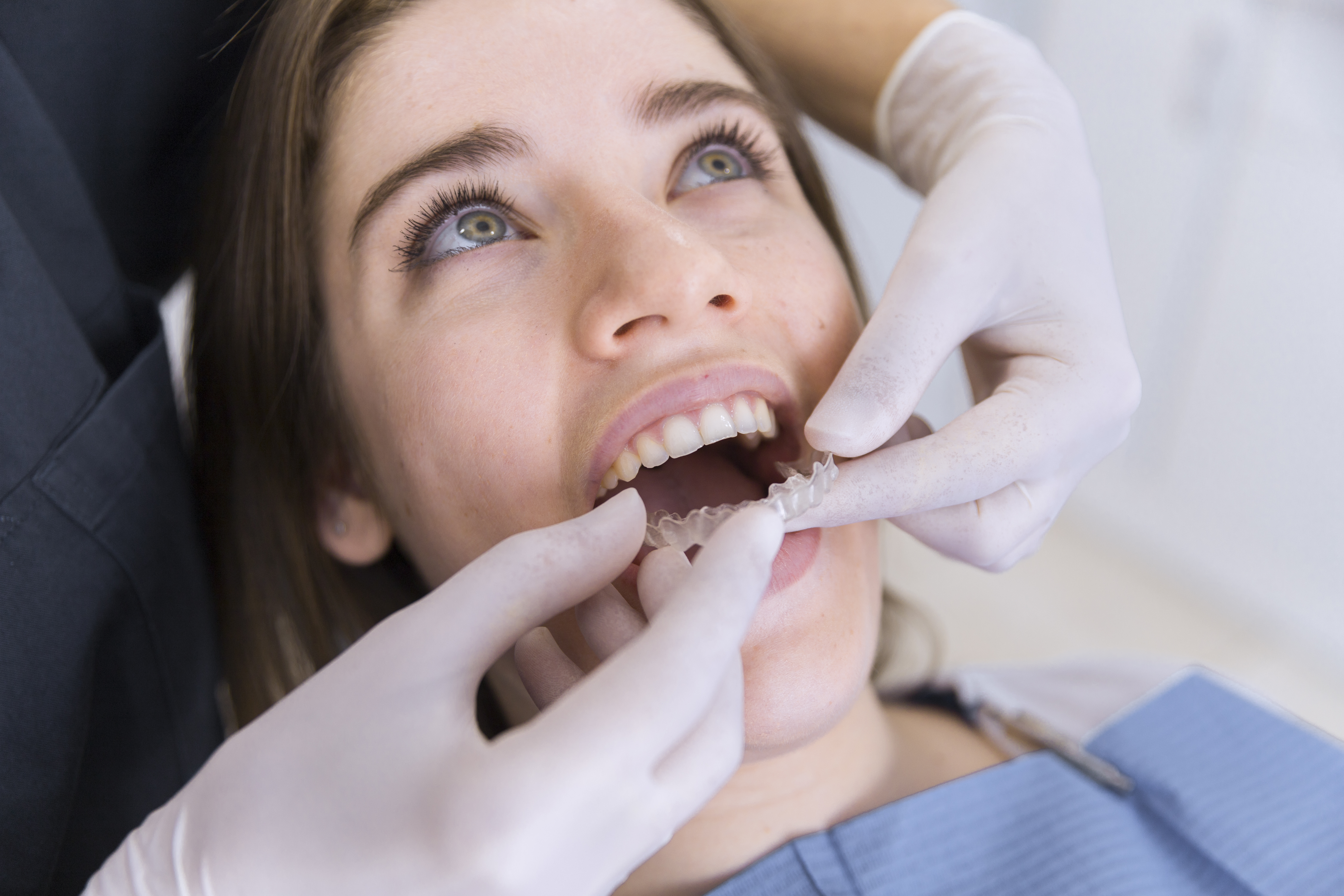
A Patient’s Guide to Dental Implants
A titanium tooth root (post) that is surgically inserted into the jawbone underneath the gum line in order for it hold replacement teeth or a bridge is called a dental implant. Dentures have a tendency to fall out or come loose whereas implants are sturdy and seat comfortably in the gumline.

What It Is:
A revolutionary technique for replacement of your natural teeth with man-made non-removable teeth. This is a successful and more sturdy alternative to dentures and bridges, which are prone to instability and irritation. Well installed and maintained implants can last for years, they will serve you well in your daily life functions while maintaining a good overall dental health.
How It Works:
Titaniums based metal screws are surgically placed into the jaw bone. These metal screws act like a foundation anchor to ceramic-based alternative teeth. The mouth is completely numbed so there is no pain, a series of micro drills then opens a hole just large enough for the implant to get through. After this, the implant is screwed and secured in a comfortable -zero pain position. The gum tissue is stitched back and the healing cap put on to complete the procedure. The adjacent teeth are not affected in any manner.
Benefits:
Dental health can be beneficial for people of all ages. Some significant advantages of dental implants are:
Improved Appearance: The teeth have a shinier to more reflective aesthetic appearance.
Improved speech: This is especially beneficial for those who people who suffer from a speech impediment or similar issues due to bad dental health.
Improved comfort: They eventually become a part of you as they fuse with your bone, hence the patient feels no sense of irritation or discomfort.
Easier Eating: Eating disorders due to dental issues are a common problem, implants are known to ward off all eating issues.
Durability: If the implants are inserted and taken care of in an efficient manner they are known to last for several years.
Evaluation and Planning:
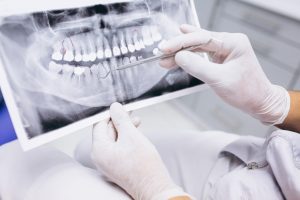
For the evaluation stage, we start by taking detailed X-rays and scans to learn the current condition of your dental health. This will determine
If you’re in need of dental implants.
After Care:
The healing process can take anywhere from three to seven days depending on how the procedure went and the immediate precautions taken for the aftercare.
Dental implants have a history of nearly 60 years. Over these past six decades, the procedure of dental implants has been refined and fine-tuned to cause minimum discomfort and maximize durability. Contrary to popular belief dental implants have been recorded to be safe, short, painless and effective.
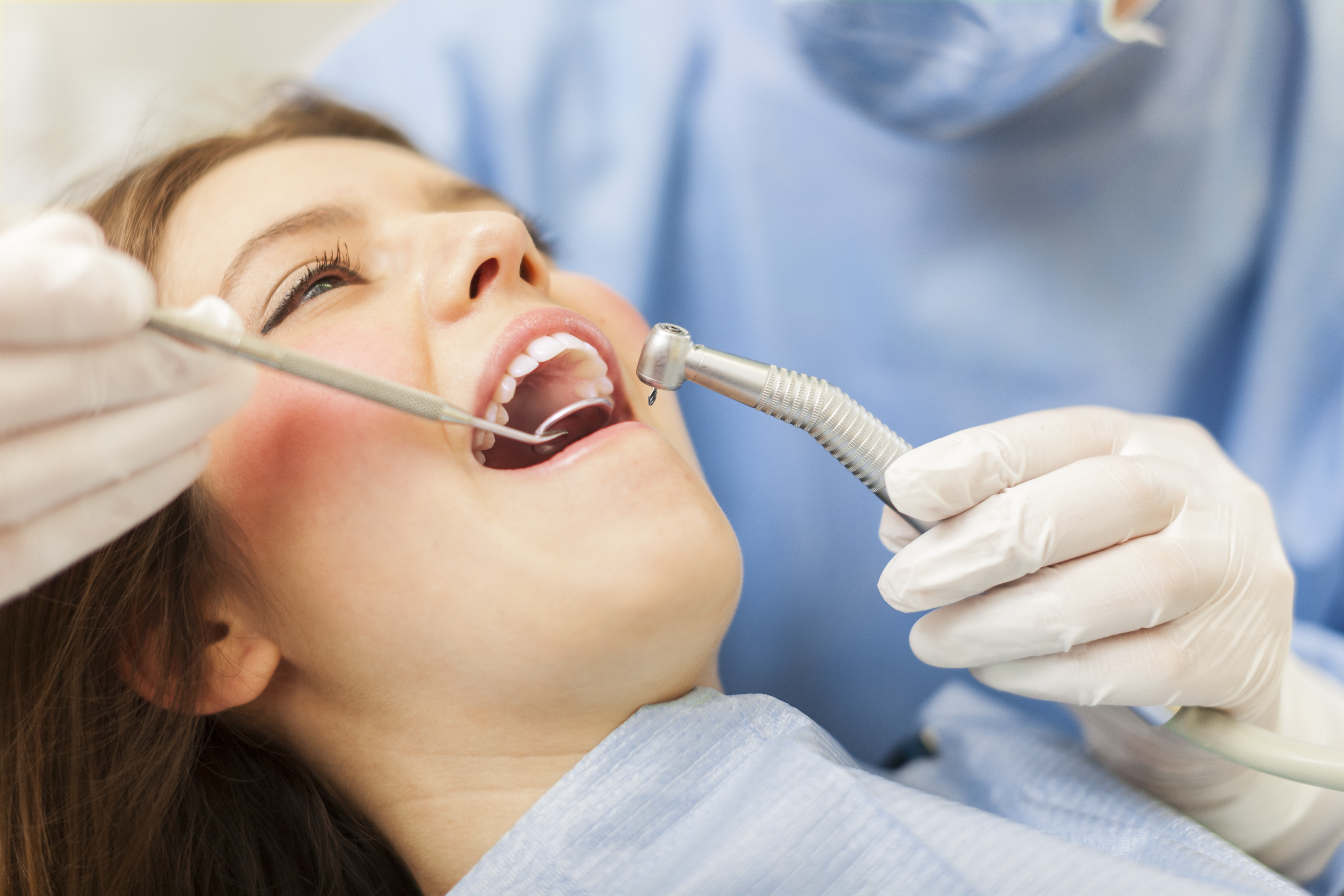
TEN GREAT DENTAL HYGIENE TIPS
First impressions are the last impressions and nothing makes an impression like a picture perfect smile. Having bad dental hygiene can lead to a number of setbacks like gum disease, infection,heart disease and social anxiety. The perfect sparkling smile will make you look good,feel confident ,keep you brimming with charm and charisma. Read on to know how to take care of your pearly whites.
- Brush>Rinse>Repeat – We cannot emphasize this point enough. Contrary to the popular belief, you should brush your teeth after every meal but at the minimum you should brush your teeth twice a day. Brushing helps remove food debris and wards of bad breath. It also fights the settling of plaque on your teeth. Use ample amounts of toothpaste. Keep the brush bristles at an approximate angle of 45 degree to your teeth-gum line and move the brush in a top-down and back-forth motion.

- Floss – Even though this might seem like an arduous task but flossing will save large sums of money in the long run. Using floss is as important as brushing your teeth. Dental floss reaches the deep crevices between your teeth where the toothbrush bristles won’t. You can choose from a wide range of floss (floss thread,water flosses etc ) available in the market today.

- Clean Your Tongue – The tongue contains countless bacteria. An unhygienic tongue can lead to halitosis. Get in the habit of cleaning your tongue using a professional medical tongue cleaner.
- Mouthwash – This is the next best way of good overall dental hygiene. Mouthwash contains listerine or chlorine dioxide which helps in killing the leftover bacteria in your mouth leading to stronger teeth. Mouthwash is also particularly good for maintaining good breath.

- White Teeth Diet – Try to limit the frequency of acidic drinks, tobacco, coffee as they’re rich in phosphorus. A phosphorus overdose can lead to depletion of calcium in your body which in turn can lead to weak or decaying teeth. Stick to beverages like milk which are rich in calcium and help strengthen your enamel.
- Regular Dental Check Ups – Getting dental check ups every six months is a must. These checks up should be thorough and comprehensive. Regular dental check ups help identifying problems and diseases at an early stage.

- Use Sealants – Dental cavities that have been diagnosed at early stages can be treated and prevented using dental sealants like fluoride, resins and glass ionomers etc.
- Protect Your Teeth From Injury – Prevention is better than cure. Make sure you wear the appropriate safety guards while engaging in potential teeth damaging activity like sports, construction, manual labour etc
- Don’t Use Teeth Recklessly – Use your teeth but don’t misuse them. Don’t use teeth to crack nuts,remove bottles crowns or rip things open. Your teeth enamel is precious, once it has chipped off or eroded it will not come back.

Must Have Foods for Healthy Teeth

All that you need to know about Wisdom Teeth

How does oral health affect your overall well-being?
How oral health impacts overall health is a question which baffles a lot of people.
Dr. Veejay Deshpandey, renowned dental care expert with over 40 years of experience and one of the best dentists in Thane, explains that oral health is essential to general health and well-being at every stage of life.
Plan ahead for a Confident Smile
The most common question that we get in our practice Is, “What’s the ideal age for my child to get braces?”
If you too are wondering when to bring your child to our dental clinic in thane for an orthodontic evaluation and are unsure about whether your child needs orthodontic treatments, please read the following for better understanding.